

AI in the healthcare sector: How modern healthcare is changing with Artificial Intelligence
Artificial intelligence in healthcare is changing the way physicians diagnose diseases, the way hospitals are run, and how patients receive care. Since AI in medicine to experienced medical AI tools, this technology has become one of the contributors to the accelerated diagnosis, personalized treatment, and improved determining the right actions.
AI is not one ubiquitous, universal technology, rather, it represents several subfields (such as machine learning and deep learning) that, individually or in combination, add intelligence to applications. Also with the additional improvements of the AI in the medical field, it offers as possible as more accurate predictions, reduce the treatment costs, and get the best patient results.
This in depth resource explains the definition of AI in healthcare, its functionality, advantages, obstacles, uses, and the future of AI and healthcare.
What is the definition and role of artificial intelligence in healthcare?
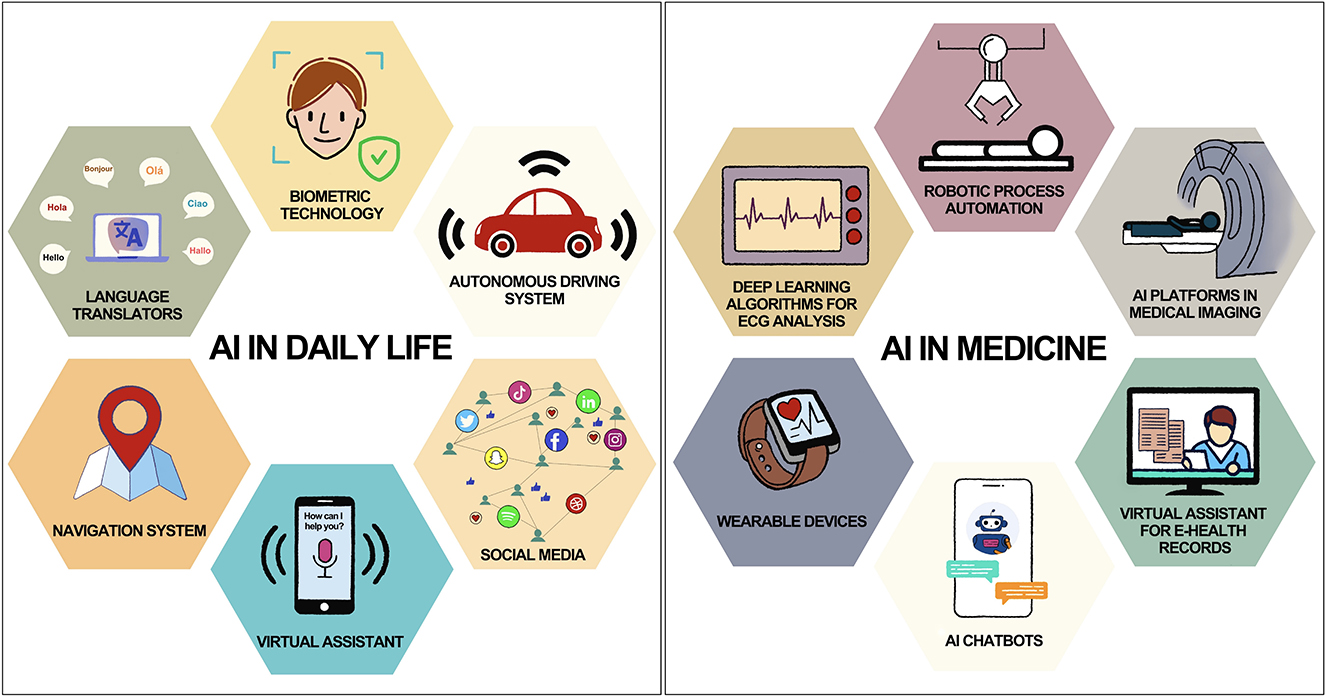
In healthcare, artificial intelligence refers to the use of algorithms and computer programs to simulate the way humans think, analyse, and understand medical information. Also the complexity of medical data that is easy to evaluate with high accuracy by an AI system can assist healthcare providers make informed decisions. AI in healthcare implementation involves machine learning, natural language, computer vision, and robotics, among other technologies.
Why AI Matters in the Healthcare Sector
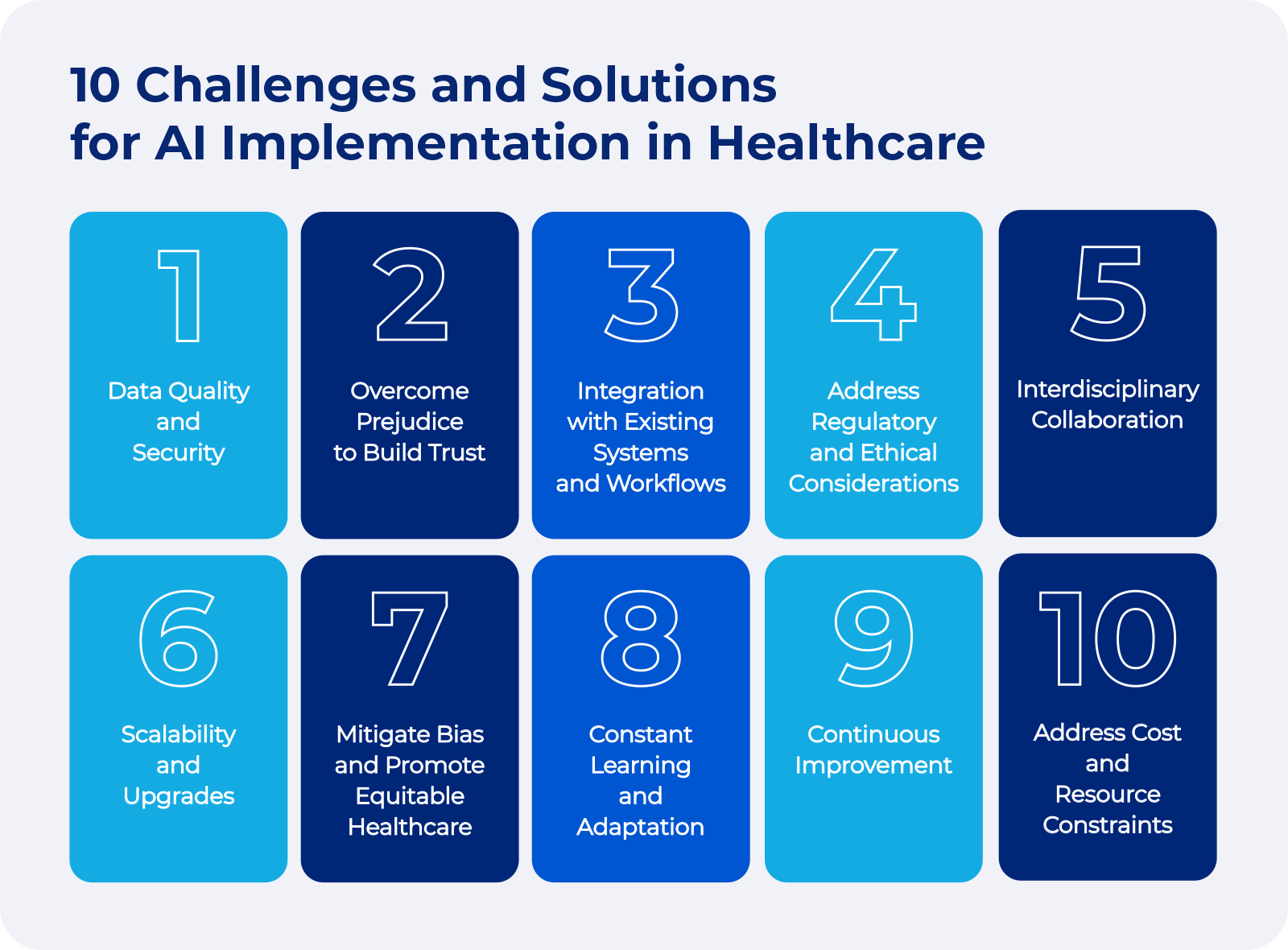
Artificial intelligence is addressing some of the largest problems of the healthcare sector:
- Growing patient numbers
- Insufficient healthcare workers.
- Need enhanced and faster diagnosis.
- Increasing healthcare expenses.
- The requirement to demand individual treatment.
The medical AI will enable hospitals to increase efficiency and reduce human fault, also providing a higher quality of care.
How does artificial intelligence function within the healthcare sector?
Healthcare AI works on a number of fundamental technologies:
-
Machine Learning (ML)

Created by ChatGPT
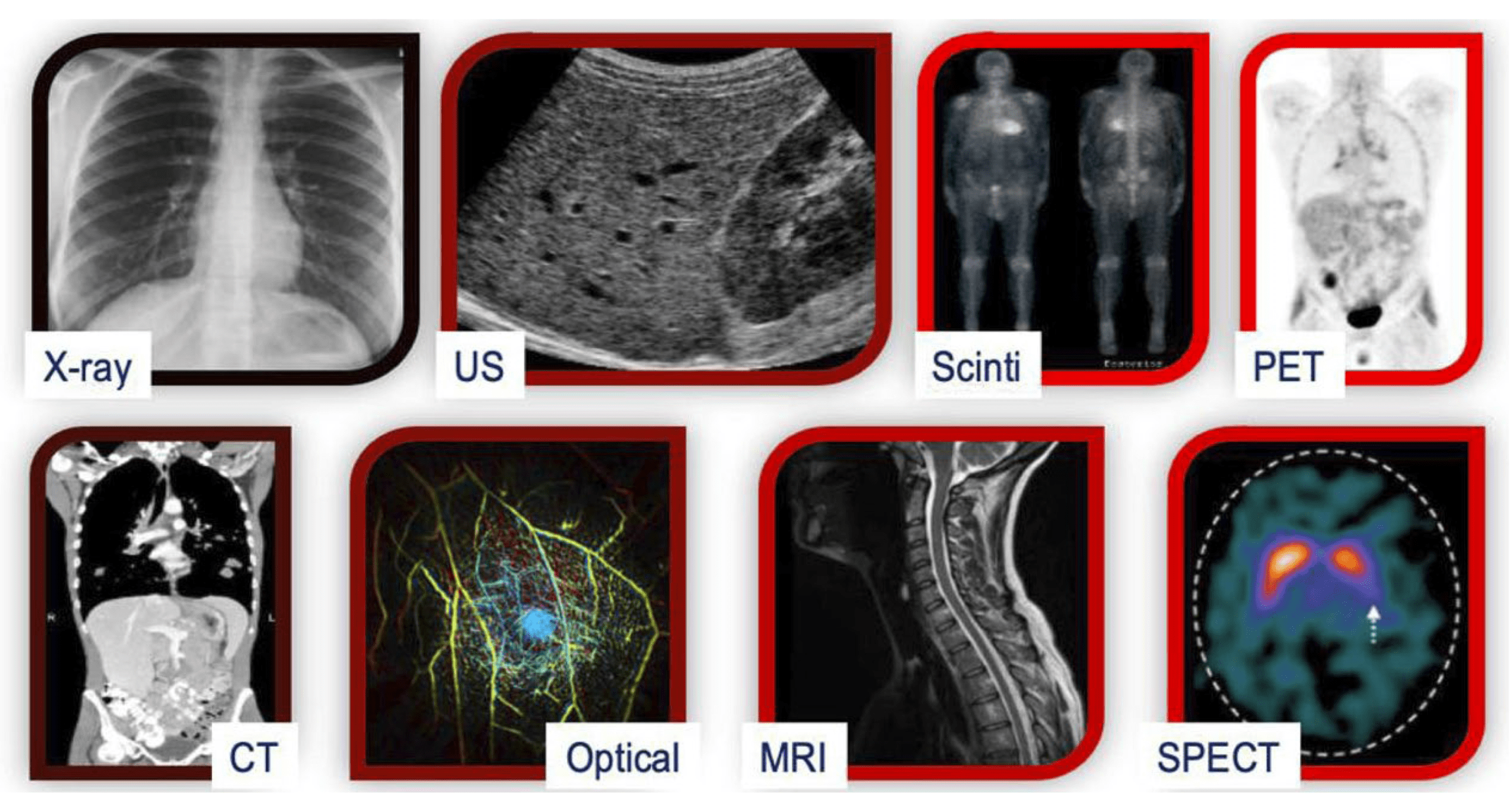
ML algorithms train on medical data, identify trends, and provide predictions, e.g., can predict the risks of disease or identify irregularities in X-rays.
-
Deep Learning
The complex tasks that deep learning can be applied to include image recognition (MRI, CT scan) and this allows a higher accuracy in the diagnosis.
-
Natural Language Processing (NLP)
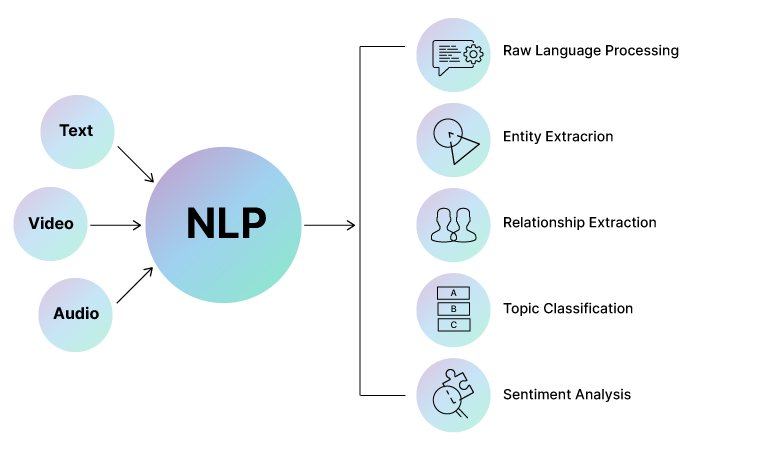
NLP supports AI to read medical notes, patient records, prescriptions, and even voice commands delivered by the doctor.
-
Robotics
AI-driven robots help in the surgery, rehabilitation, and care of the elderly.
-
Predictive Analytics
This aids in the expected results of the condition of patients, epidemics, and the success rates of treatment.
Top Applications of Artificial Intelligence in Healthcare
Artificial intelligence in medicine is already shifting a lot of aspects. The most influential applications are described below.
1. AI in Medical Diagnosis
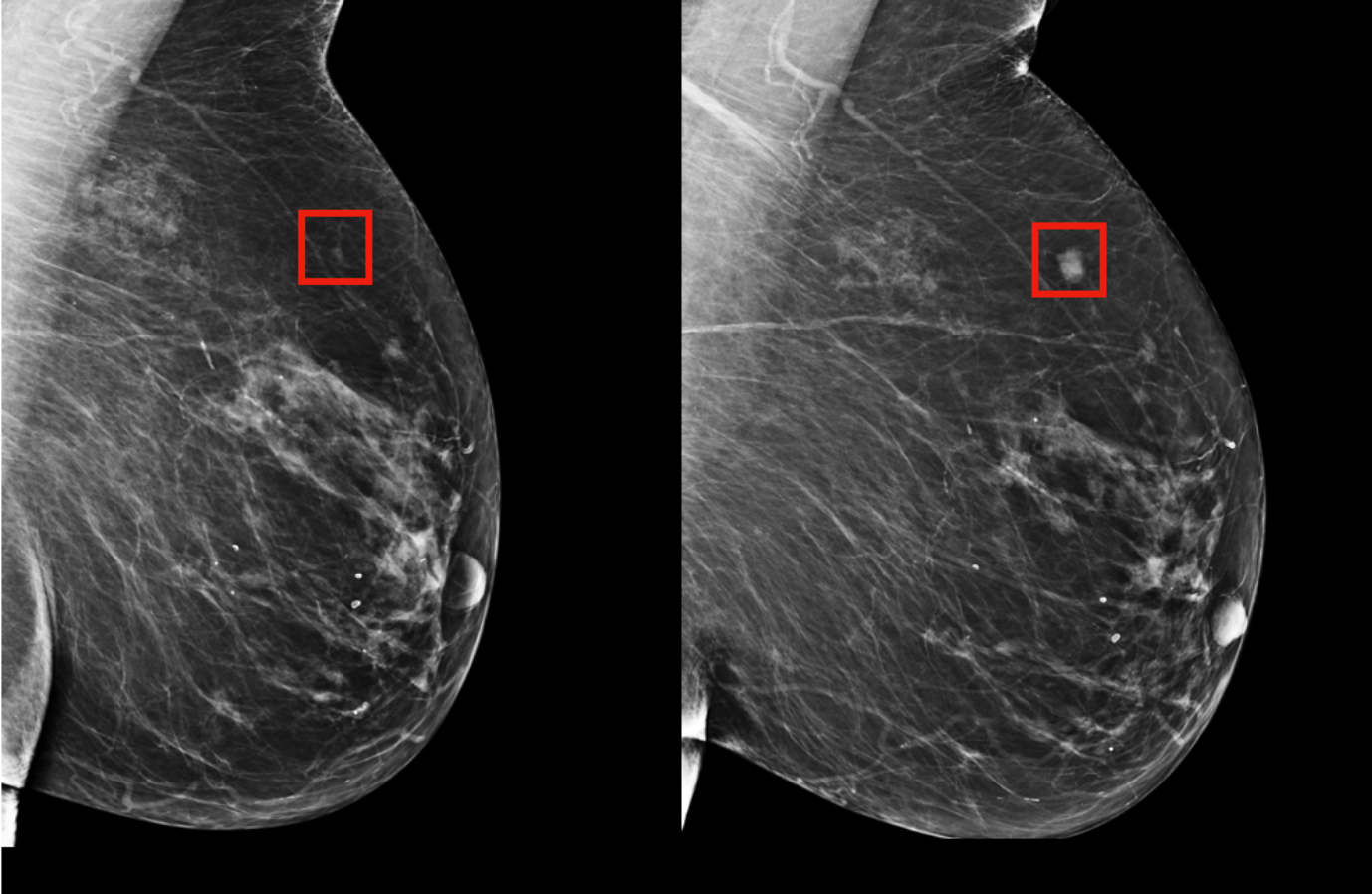
Diagnosis is one of the best applications of AI in medicine. Medical images, blood reports, and genetic data can be analyzed with a high level of accuracy using AI.
Examples include:
- Detecting cancer at early stages using imaging.
- Detecting neurological diseases, such as Alzheimer’s.
- Cardiovascular prediction is the prediction of heart attack through ECG.
- The detection of X-rays by lung infections and tumors.
In many cases, AI-driven diagnostic systems are faster and more accurate than human experts.
2. AI in Medical Imaging

Deep learning models are frequently used in radiology, pathology, and cardiology.
AI helps in:
- Scanning MRI, CT, and PET.
- Identifying rare medical disorders.
- Increasing the clarity of images and detecting errors.
The process of medical imaging has become more specific due to AI, which is able to detect even small irregularities in a short time.
3. AI in Drug Discovery & Development
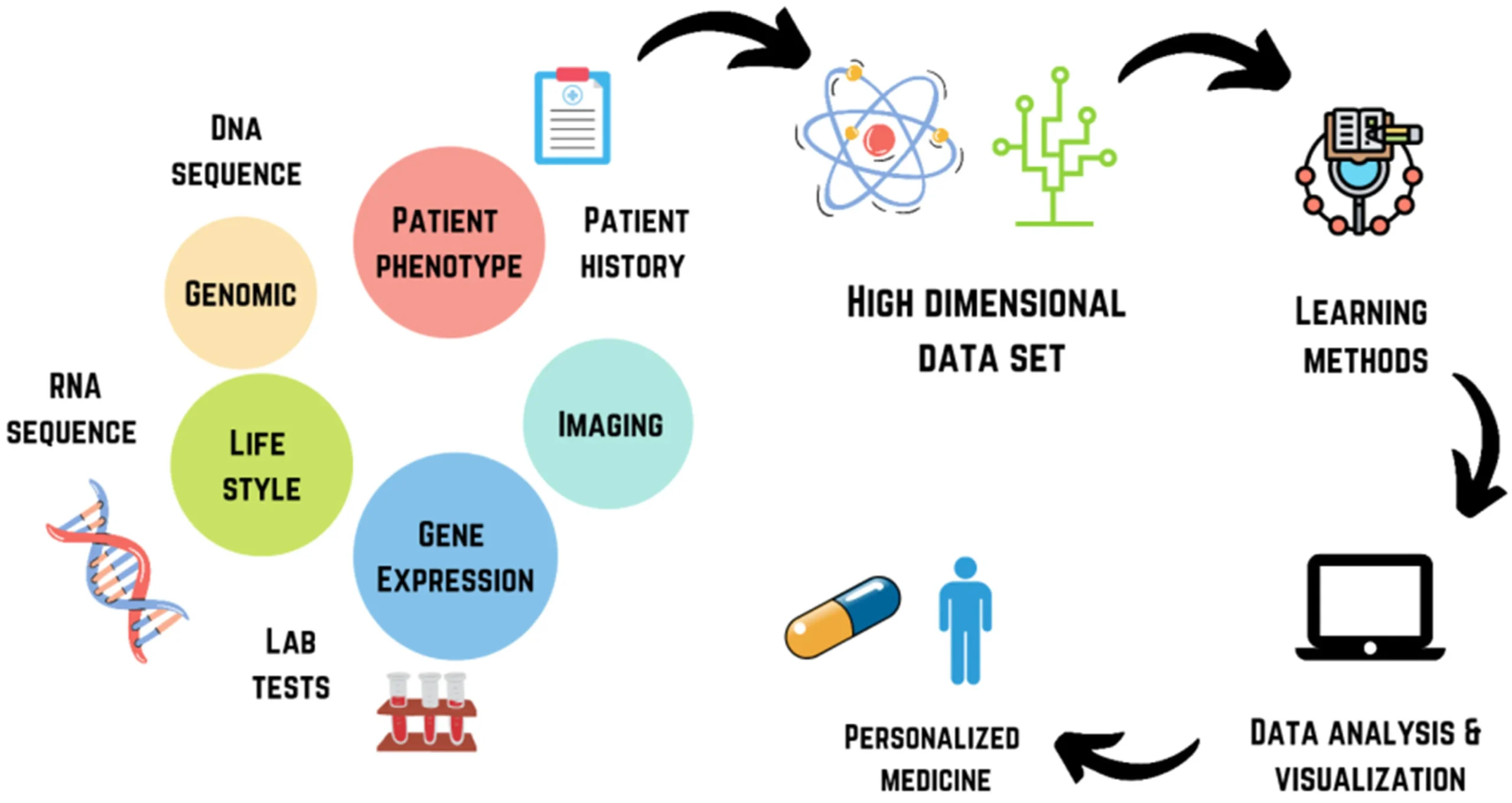
AI outstandingly decreases the time and cost required to create new drugs.
AI speeds up:
- Determining drug interactions.
- Anticipating drug efficacy.
- Simulating clinical trials
- Molecular behavior Knowledge.
This facilitates innovation and donates to the creation of life-saving medications faster.
4. Virtual Health Assistants
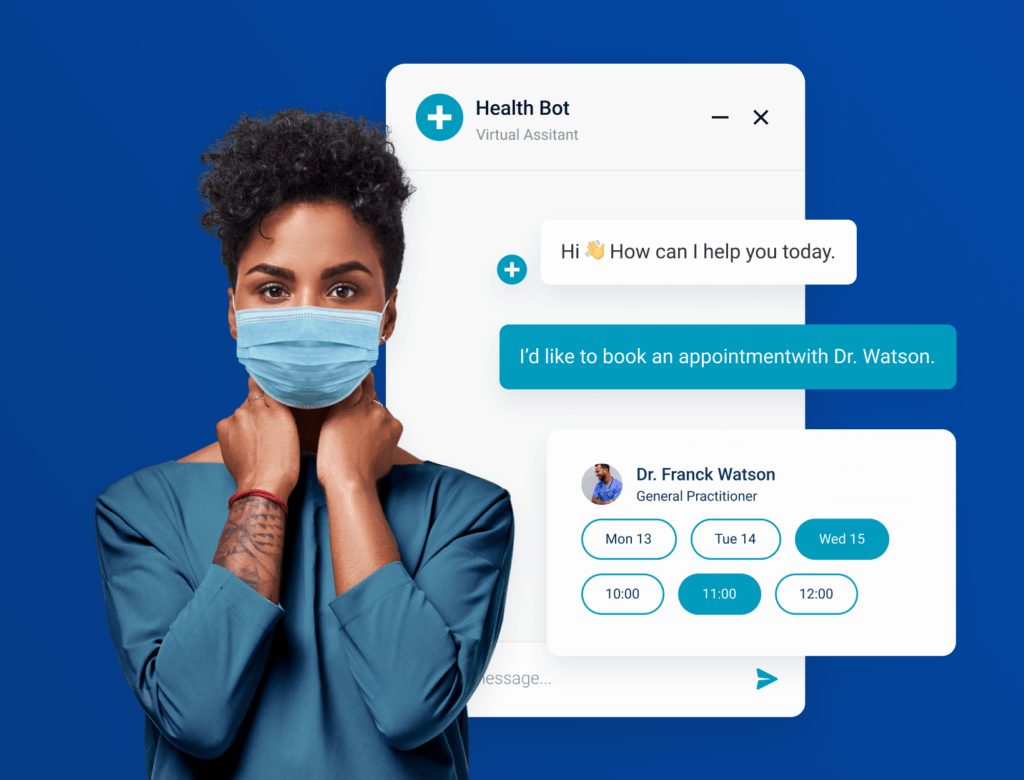
Patients are helped by AI-based chatbots and virtual supports regarding:
- Appointment reminders
- Personalized dieting/exercising regimens.
- Basic medical queries
- The surveillance of chronic illnesses.
The tools enhance patient-to-patient interaction and lessen the healthcare burden on the personnel.
5. AI in Treatment Personalization
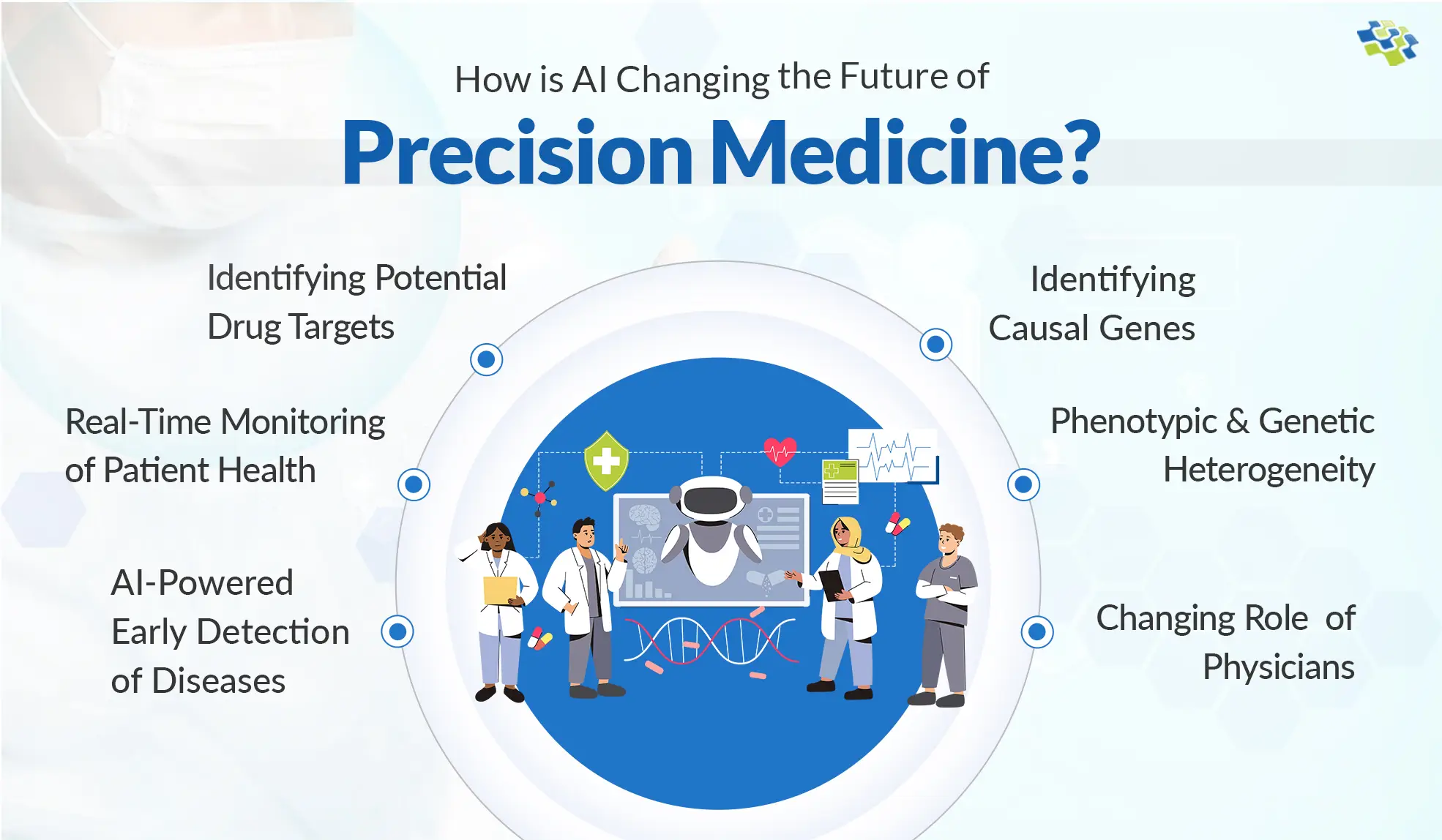
AI looks at your genes, past health stuff, yet daily habits to build personal care strategies.
Personalized treatment helps:
- Cancer patients get proper chemo treatment because timing matters more than guesswork when fighting cells gone rogue
- People with diabetes keep track of their blood sugar more effectively
- Folks with heart issues receive tailored care
This marks a big step closer to tailored healthcare – using treatments built for you instead of one-size-fits-all fixes.
6. Predictive Healthcare Analytics
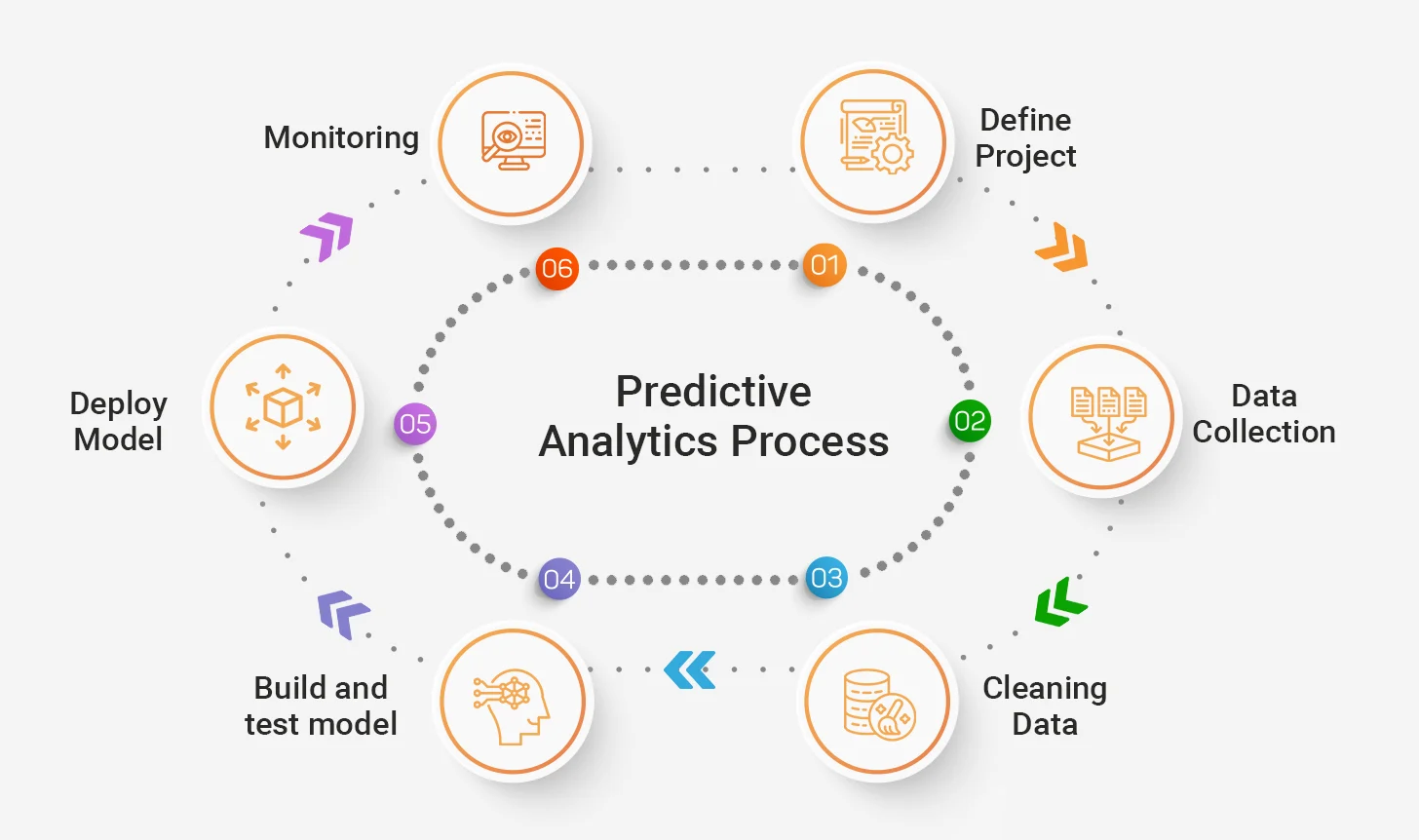
Hospitals use AI to predict:
- Patient admission rates
- Disease outbreaks
- ICU needs
- Treatment outcomes
This makes it easier to assign resources while improving how care is planned.
-
Robotic Surgeries
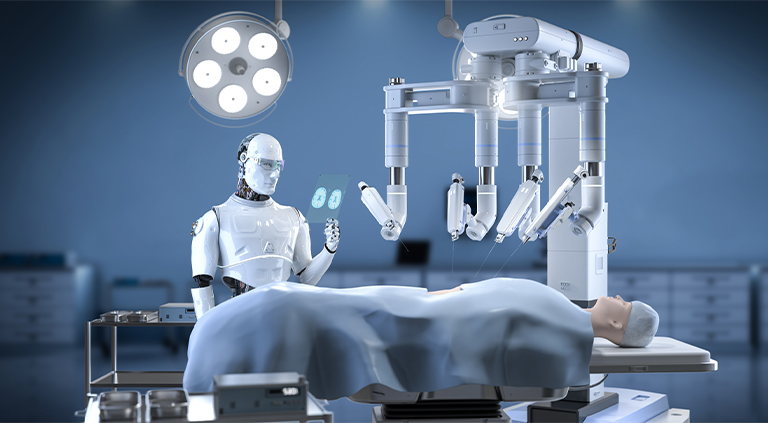
Robots run by smart tech help doctors cut with care, using smooth motions while checking live data.
Benefits include:
- Smaller incisions
- Faster recovery
- Reduced surgical errors
Robot-assisted operations are gaining ground in women’s health, heart care, also bone treatments.
8. Remote Monitoring & Telehealth
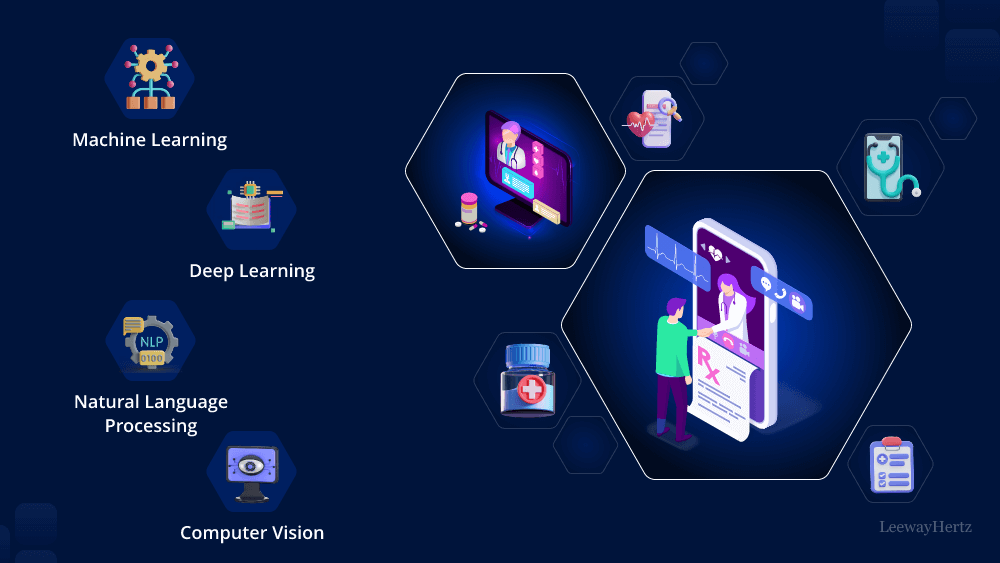
Wearable devices connected with AI track:
- Heart rate
- Blood pressure
- Sleep patterns
- Glucose levels
This boosts check-ups before problems start, while also keeping track of those with ongoing health issues.
Benefits of Artificial Intelligence in Healthcare
AI is changing the healthcare sector with various advantages.
1. Improved Diagnosis Accuracy
AI spots illnesses sooner while cutting down on mistakes people make.
2. Faster Medical Decisions
AI checks info fast – so docs can decide sooner. Yet it speeds up choices in clinics.
3. Reduced Operational Costs
Hospitals cut costs when they automate routine work.
4. Personalized Treatment
Medical AI adjusts care based on each person’s unique situation.
5. Enhanced Patient Experience
AI helpers give round-the-clock care while speeding up response times.
6. Increased Efficiency
AI helps lighten the load for doctors – so they can spend more time on serious patients.
7. Better Resource Management
Predictive analytics make it easier to manage hospital beds – also improving how gear’s used while adjusting team schedules.
Key Features of AI in the Medical Field
Here are essential features that highlight the value of AI in the medical field:
✔ Data-Driven Insights
AI learns from huge piles of data to guess what might happen next.
✔ Automation of Routine Tasks
Scheduling speeds up – data entry does too, while reports get made quicker.
✔ Real-Time Monitoring
Wearables or smart gadgets monitor people nonstop.
✔ Decision Support Systems
AI gives doctors ideas using the details from patients.
✔ High-Level Precision
Great for operations, scanning, also spotting issues early.
Challenges of Using AI in Healthcare
Despite its strength, AI encounters obstacles:
1. Data Privacy Concerns
Handling patient data securely is a major concern.
2. High Implementation Costs
AI systems can be expensive for small hospitals.
3. Lack of Skilled Professionals
Healthcare professionals require education to utilize AI instruments.
4. Ethical and Legal Issues
AI-driven decisions need oversight to safeguard rights.
5. Data Quality Problems
Poor or incomplete data can reduce AI accuracy.
Future of Artificial Intelligence in Healthcare
The future of AI and healthcare looks really hopeful. When tech keeps changing, AI might start making things happen like
- Fully automated hospitals
- Predicting illnesses early without errors
- AI-assisted genomics for personalized medicine
- Even better robot-assisted operations
- Smart hospitals powered by IoT and AI
- Worldwide tracking of health using live info
AI won’t take over from physicians – yet it’ll help them provide care that’s more reliable, quicker, while improving outcomes.
Frequently Asked Questions (FAQs)
-
What’s AI like when used in medicine?
It’s about using smart tech – say, machine learning or deep learning – to boost how doctors spot illnesses, handle therapies, while also upgrading care for patients.
-
How is AI used in medicine?
AI helps look at scans, create medicines, spot illnesses, tailor care plans, guide robots during operations, also keep track of how patients are doing.
-
How does artificial intelligence help in healthcare?
Better diagnosis happens faster, while mistakes drop. Costs go down since systems work smoothly. Patients feel it’s easier to get care because workflows improve inside hospitals – everything runs tighter without hiccups.
-
Will AI replace doctors?
Nope. AI helps med pros by handling boring stuff – also boosts precision – but people skills still matter most.
-
Could AI work well in medicine without causing harm? But what about trust when machines make choices?
Yeah, if you train them right and keep rules in place, artificial intelligence tools tend to work well without causing harm.
Conclusion
Artificial intelligence in healthcare have the potential to transform many aspects of healthcare, enabling a future that is more personalised, precise, predictive and portable. From advances in diagnostics to streamlining tasks AI will improve all facts of healthcare service delivery. Even though challenges, including data safety and ethical uses, should be taken into account, the benefits of AI in healthcare are enormous providing potential opportunities to improve global health outcomes.
Integrating AI in medicine not only supports healthcare professionals but also empowers patients with better information and care options. As tech keeps shifting, using AI could shape how well health care works down the line – so it might really matter. Instead of ignoring it, leaning into smart tools may help things run smoothly over time. Since changes happen fast, staying ahead with automation makes sense in clinics and hospitals alike.
As tech keeps shifting, using AI could shape how well health care works down the line – so it might really matter. Instead of ignoring it, leaning into smart tools may help things run smoothly over time. Since changes happen fast, staying ahead with automation makes sense in clinics and hospitals alike.
For more information visit our – Facebook, Twitter